ByteDance's founder banned staff from distilling US models
Zhang Yiming told ByteDance staff to skip distillation entirely — even if it means trailing Chinese rivals for now.
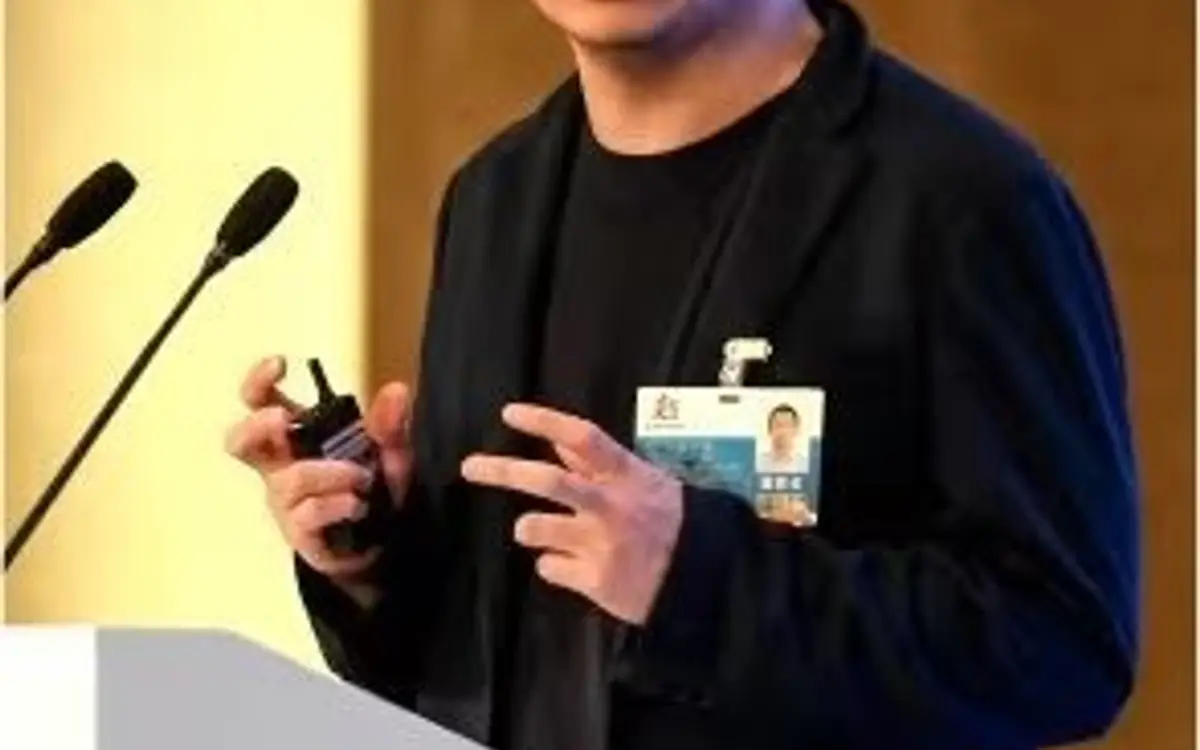
ByteDance founder Zhang Yiming told employees the company won't use distillation — training on a stronger model's outputs — to close the gap with US frontier labs, even if that means lagging domestic rivals. His framing: sacrifice short-term gains for longer-term goals. ByteDance's Seed AI team says it has held a no-distillation principle from day one, buying, synthesizing and cleaning its own training data instead, on the theory that you can't reach state-of-the-art by copying someone who's already there.
The timing isn't subtle. Anthropic alleged in February that DeepSeek, Moonshot and MiniMax ran ~16 million exchanges through Claude via roughly 24,000 fraudulent accounts, and in June wrote to US officials accusing Alibaba of "brazenly" trying to distill Claude. ByteDance is conspicuously absent from that list — which is the point. With TikTok's US position still fragile, a distillation accusation is a political liability, not just a legal one.
Meanwhile the walls are going up on both sides: Anthropic quietly shipped code in March to detect Chinese-lab usage of Claude Code, Alibaba banned Claude Code internally and told staff to wipe it from work machines, and Beijing has been in talks with Alibaba, ByteDance and Z.ai about restricting foreign access to China's best open-weight models.
Why it matters: when the fastest way to catch up becomes a geopolitical risk, model development stops being purely a research decision.
Sources
- ByteDance's Founder Rules Out Distillation on AI Models theinformation.com
- China May Restrict Access to Its Most Powerful AI Models time.com
Written by an AI pipeline from the sources above. How it works.
Feed, daily deep-dive and bytes — readable offline, with push alerts for the topics you follow.