AI Pipeline Validates 118 Hidden Exoplanets in NASA TESS Data
Warwick's RAVEN system scanned 2.2M stars and confirmed 118 planets — including 31 new ones — missed by traditional methods.
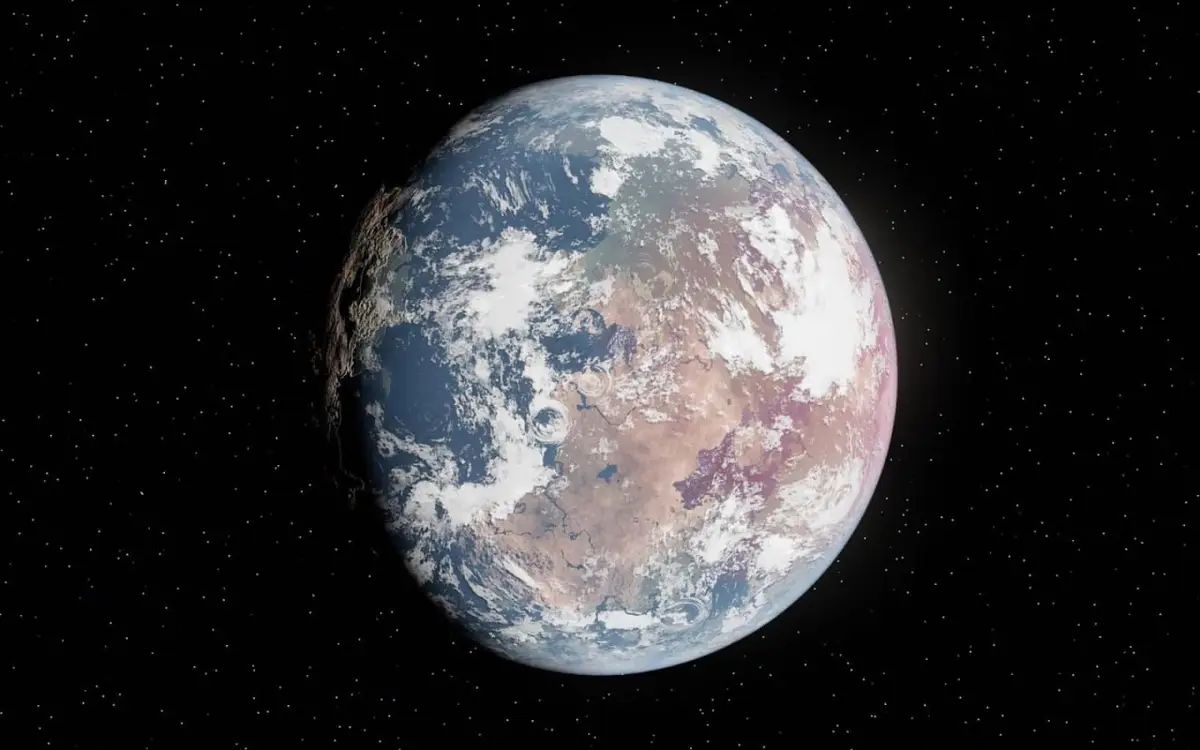
An end-to-end AI pipeline called RAVEN (RAnking and Validation of ExoplaNets) just pulled 118 confirmed exoplanets out of four years of NASA TESS data — 31 of which are entirely new detections. Developed at the University of Warwick, RAVEN is unusual in that it handles detection, vetting, and statistical validation in a single automated system, rather than stitching together separate tools.
Under the hood, it combines a Gradient Boosted Decision Tree and a Gaussian Process classifier trained on hundreds of thousands of simulated transits and 8 false-positive scenarios injected into real TESS light curves. Candidates only pass if they exceed 99% planetary probability against every false-positive type. The system hit 97% precision and an AUC above 99% on most scenarios — better than most human-in-the-loop pipelines.
Beyond the planet count, RAVEN also produced the first precise occurrence rate for Neptunian desert planets: roughly 0.08% of Sun-like stars host one, with uncertainties ten times tighter than Kepler-era estimates.
Why it matters: TESS has 2M+ stars worth of data and most of it hasn't been deeply mined — RAVEN shows automated AI pipelines can surface discoveries that would otherwise stay buried for years.
Sources
- University of Warwick Press Release warwick.ac.uk
- RAVEN Results Paper (arXiv) arxiv.org
Written by an AI pipeline from the sources above. How it works.
Feed, daily deep-dive and bytes — readable offline, with push alerts for the topics you follow.