Opus 5.5 is the new motion designer, and it codes every frame
Opus 5.5's viral motion-graphics reels aren't text-to-video. The model writes HTML and animation code, then a headless browser renders each frame.
Model releases, benchmarks and capabilities. 131 stories, page 3 of 11.
Opus 5.5's viral motion-graphics reels aren't text-to-video. The model writes HTML and animation code, then a headless browser renders each frame.
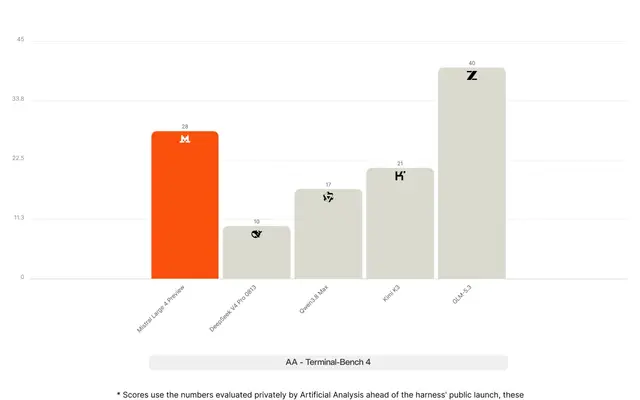
Mistral's 1T-parameter Large 4 and Reflection AI's 501B Beam both debuted as previews. Open weights for both are due by end of October.
OpenAI's Astra solves 99.2% of SRE-Bench tasks in four tries, and modders are already using AI to merge whole games.
Reflection AI's Beam nears Qwen 3.8-Max while claiming 3-4x less hardware. Apache 2.0 weights are due later this month.
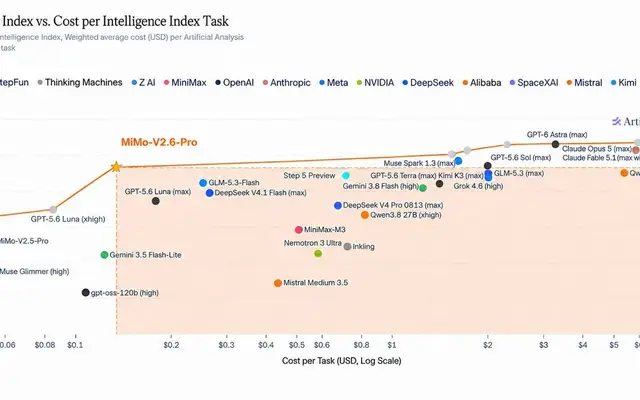
Xiaomi's MIT-licensed model scores 46 on Artificial Analysis, one point behind GPT-5.6 Sol, at about 1/15th of the cost per task.
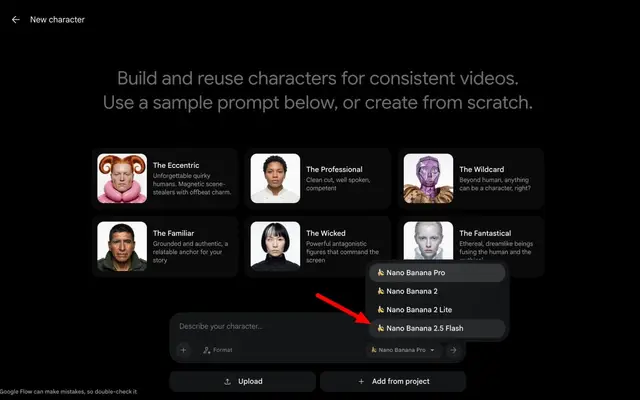
References to an unannounced Nano Banana 2.5 Flash image model have appeared in Google Flow. Google hasn't said anything about it yet.
OpenAI halved GPT-6 Sol and Luna prices, and Anthropic's Opus 5.5 matches Fable 5.1 on most tasks for 40% less than Opus 5.
GPT-6 Sol and Luna cost half as much as GPT-5.6 and landed 90 minutes after Anthropic's Opus 5.5, turning launch day into a price war.
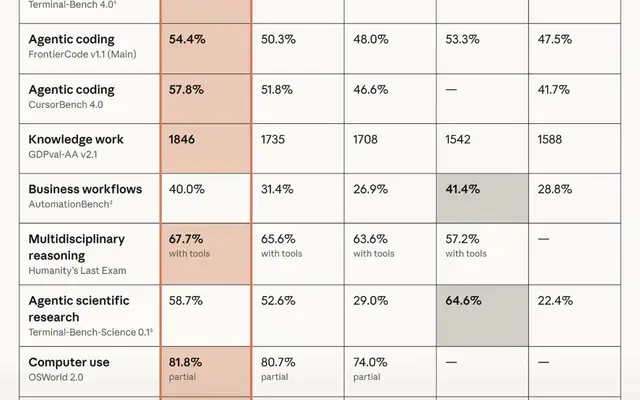
Anthropic's Opus 5.5 matches Fable 5.1 on most tasks, tops agentic coding and computer-use benchmarks, and costs 40% less than Opus 5 to run.
Each Copilot app session gets its own git worktree, so several agents can code at once while you review and merge their work.
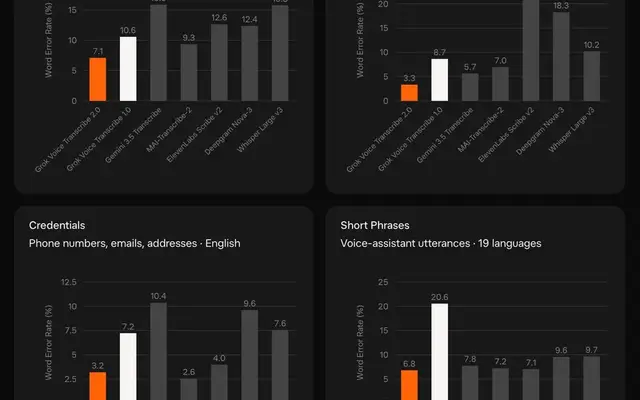
SpaceXAI's new speech-to-text model tops 32 streaming rivals on Artificial Analysis and costs the same as v1.0: $0.10/hr batch, $0.20/hr streaming.
OpenAI's GPT-6 Astra got further in Minecraft than any AI yet. Then a creeper blew up its stash, and it spent hours farming potatoes.