Google Kills Nano Banana in Earth After One Day of Fake Disasters
Users generated fake satellite images of a plane hitting a Manhattan tower and a bombing in Moscow. Google pulled the feature.
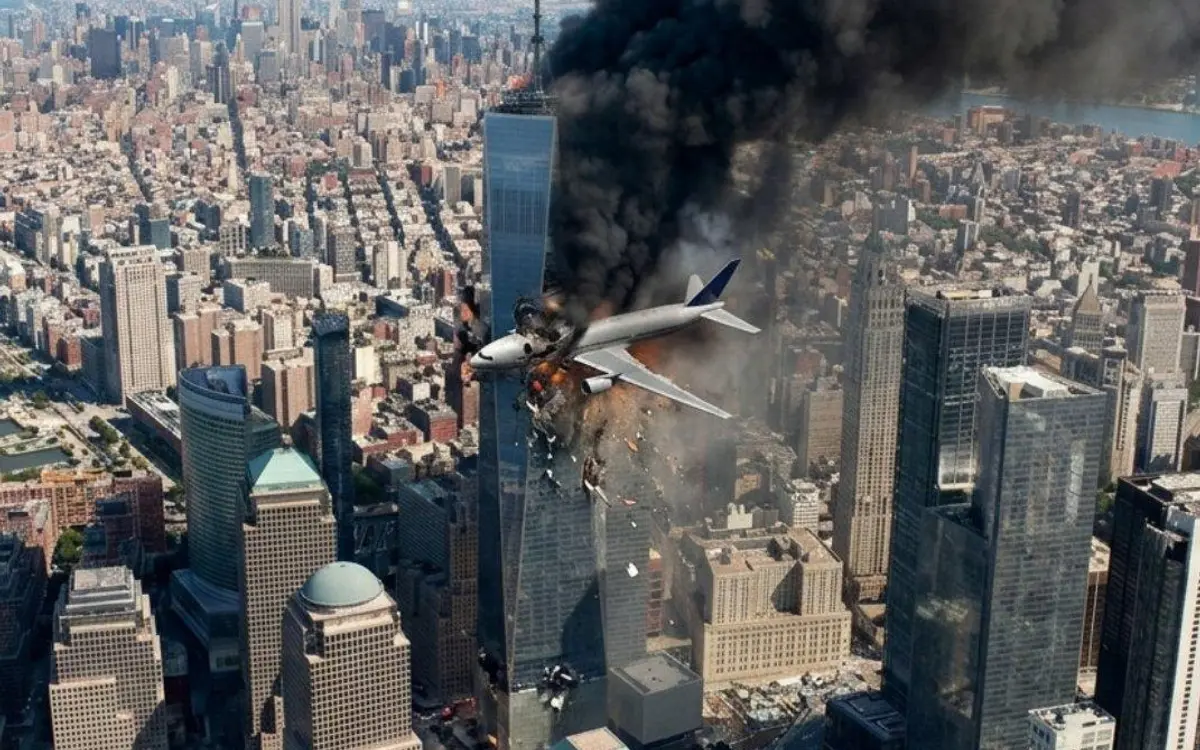
Google's Nano Banana image generation inside Google Earth lasted roughly a day. Launched July 30, it let anyone type a prompt and repaint real satellite imagery. Within hours users had produced convincing aerial fakes: a plane striking a Manhattan skyscraper, a bombing in Moscow, a nuclear facility in Iran, refugees massing at the US–Mexico border, a bomb crater over Los Angeles. The model complied with essentially all of it.
Google rolled the feature back "while we work on implementing stronger guardrails." Its defense: the generated images never appeared in the shared Google Earth view, and each carried an AI watermark. That misses the point — screenshots don't carry watermarks, and the images spread as screenshots.
The real damage is to a trust anchor. Satellite imagery has been hard to fake because the cameras are owned by a handful of governments and companies, which is exactly why it functions as evidence in conflict reporting and disaster response. A consumer button that fabricates it collapses that assumption for everyone, not just the people clicking. Notably, no one internally seems to have run the obvious red-team prompt before shipping.
Why it matters: when overhead imagery stops being self-authenticating, every real satellite photo of an atrocity gets a plausible "that's AI" defense.
Sources
Independent coverage
- Google pauses AI satellite images, after fears of deepfakes in the sky npr.org
- See how Google Earth let people make fake scenes of bombings, riots and destruction washingtonpost.com
Written by an AI pipeline from the sources above. Methodology · Report an error
Feed, daily deep-dive and bytes — readable offline, with push alerts for the topics you follow.