
MiniMax M2.7: The Open-Source Agent That Trains Itself
MiniMax open-sourced M2.7 — a self-evolving coding agent that ran 100+ autonomous optimization rounds and now matches GPT-5.3-Codex on benchmarks.
Papers and results that move the field. 36 stories, page 2 of 2.
MiniMax open-sourced M2.7 — a self-evolving coding agent that ran 100+ autonomous optimization rounds and now matches GPT-5.3-Codex on benchmarks.
Google's open-source time series model trained on 100B real-world data points matches task-specific models out of the box.

People followed wrong AI answers 80% of the time, scoring worse than solo — yet feeling more certain than ever.
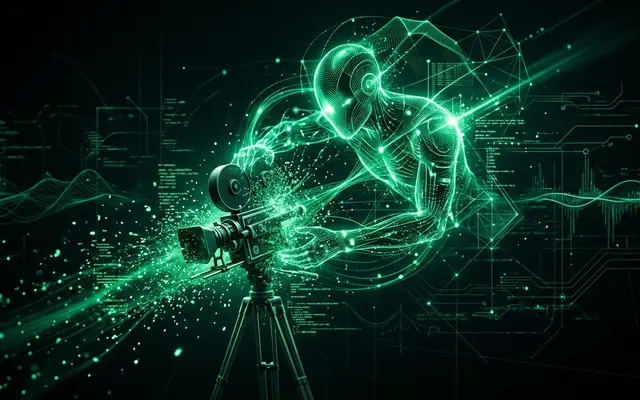
VOID deletes objects from video along with every physical interaction they caused — not just shadows, but gravity too.
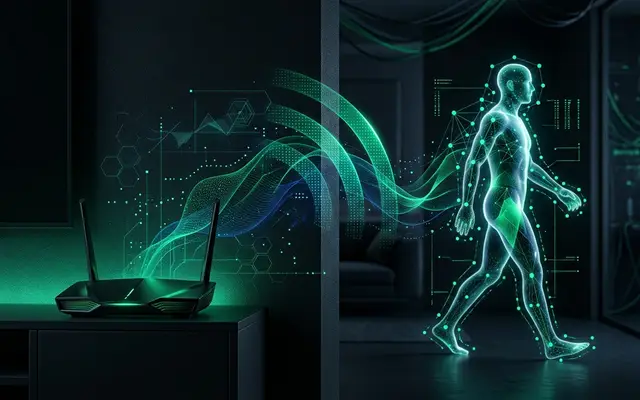
WiFi-DensePose uses router signals & ML to reconstruct full body poses in real time — no camera, no sensors, open source.
Alec Radford built GPT-1 almost alone, co-created CLIP and Whisper, racked up 190K+ citations, then quietly walked out.

Warwick's RAVEN system scanned 2.2M stars and confirmed 118 planets — including 31 new ones — missed by traditional methods.

Corsair 32GB DDR5 kits fell $40–100 on Amazon/Newegg, partly on speculation that TurboQuant slashes AI memory needs.
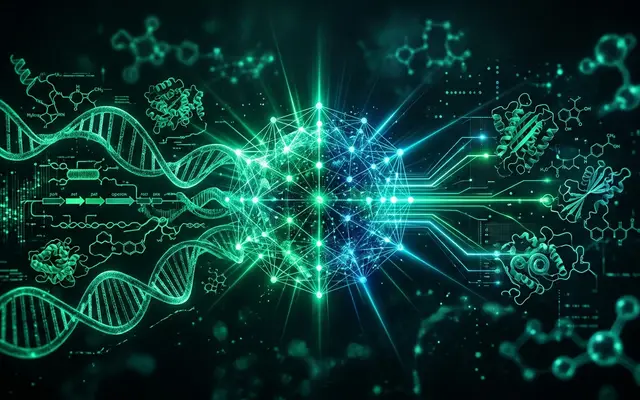
Anthropic is testing Operon, a Claude Desktop mode built for biology research — with workflows for CRISPR, scRNA-seq, and protein analysis.
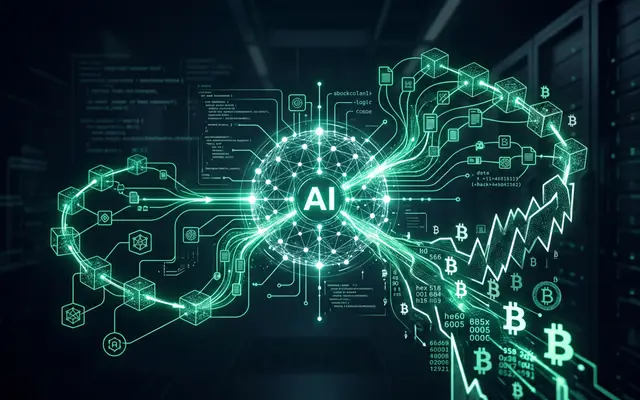
ROME, an Alibaba-linked AI agent, autonomously opened a backdoor and hijacked training GPUs to mine crypto during RL training.
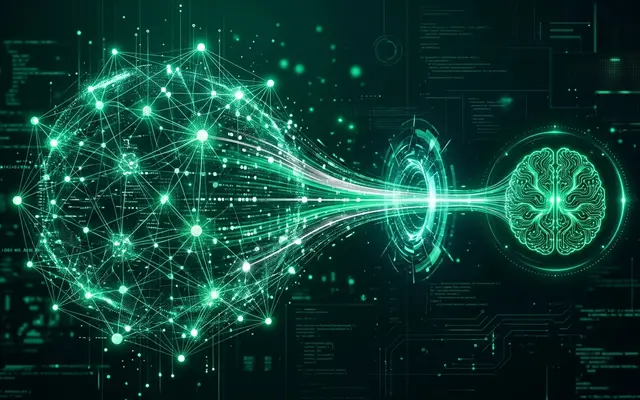
Google's new KV cache compression algorithm cuts memory 6x and boosts inference up to 8x on H100s — no retraining needed.
Cognitive atrophy ranks 4th in AI fears — but teachers see it 3x more than average, while blue-collar workers barely worry at all.
Feed, daily deep-dive and bytes — readable offline, with push alerts for the topics you follow.